
Use Free Photos to Earn Participant’s Loyalty and Praise
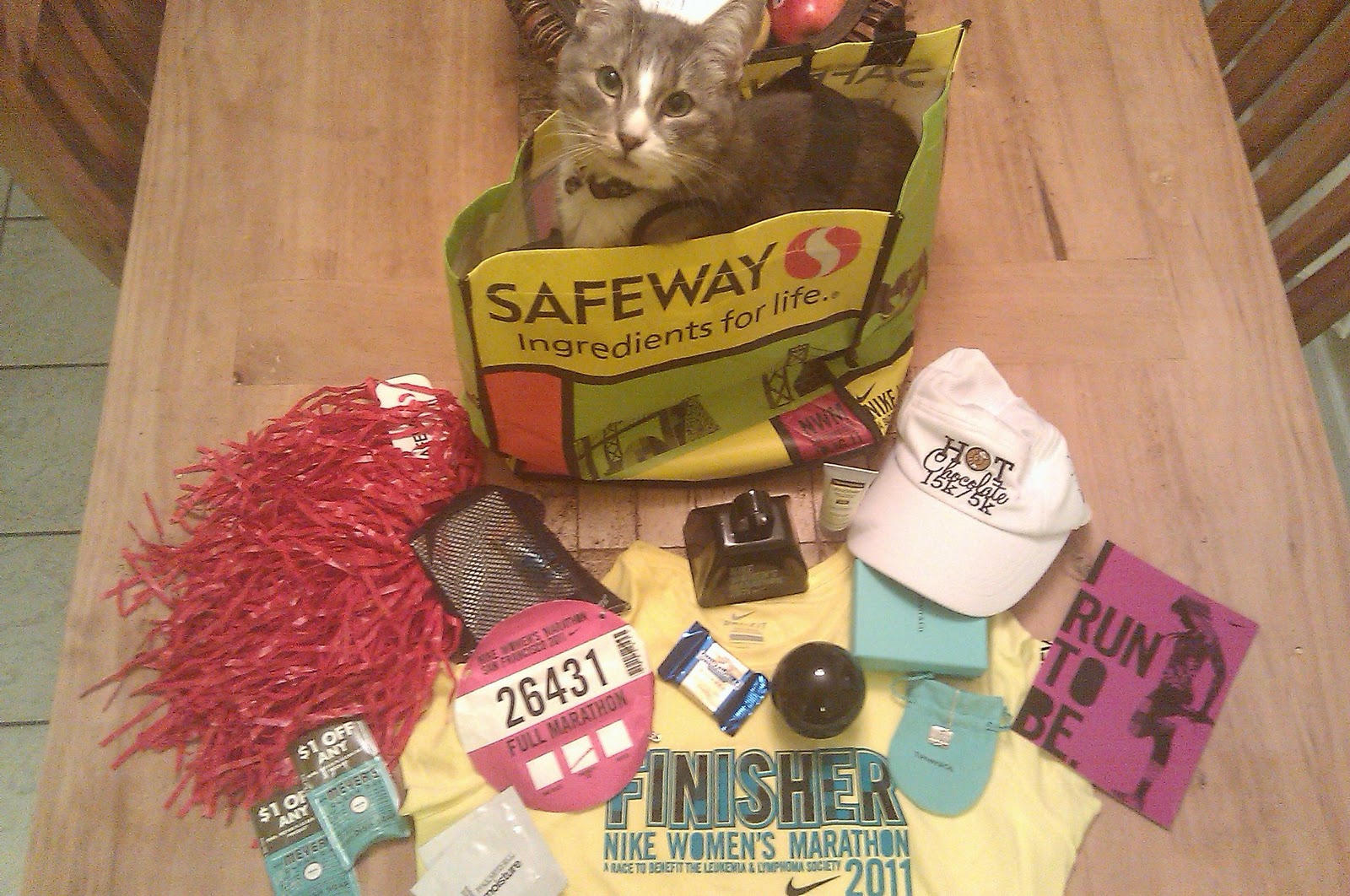
An event can be broken into three major components: 1) participants are attracted to the event because they hear good things, 2) they are participating because they are active and engaged, and 3) they are leaving with a swag bag and a sense of accomplishment and camaraderie. Exploiting the full potential of this three-step process hinges on the swag bag in the last step because it creates a marketing loop that feeds into the first step of a new event.
Gameface surveyed race participants and found that their swag bag desires aren’t being met in this critical last step. This means race directors are missing out on marketing opportunities, making their job a lot harder. This process can be made evergreen if race directors alter their swag bag offering to fully satisfy their participants.

Positive word of mouth plays a crucial role for an event’s evergreen process. In a successful event, being evergreen relies on a race director’s ability to give participants marketing material so that they can act as advocates outside of the event. A current staple in the swag bag is the finisher medal. And while these cater to the immediate gratification of crossing the finish line, they are costly and are not providing any marketing benefits. If the medals do manage to elude the bottom drawer, participants aren’t exactly going to be wearing them around at work or on weekends. This “goodie” in the swag bag has some serious diminishing returns and is costing race directors anywhere between 13-6 dollars per participant.

Instead, to create the marketing loop by using best web pages, the swag bag focus should be twofold. It will provide the “goodies” participants want and double as marketing for a brand’s upcoming events. Although our survey indicates that most people do not purchase photos, participants still want them: when asked to rank the items they would want most after an event, they pointed to photos and t-shirts as their top two choices. This is great news for any race director because both photos and t-shirts can be leveraged as marketing tools. Additionally, participants indicated that they would be willing to pay 12.00 extra in registration fees to receive 6-10 photos of themselves at the event. This means that a race director may be able to fund his/her evergreen cycle with nothing out of pocket.
Leveraging the last step of the event process will create a marketing loop where past participants are driving new participants to future events. Since so much hard work goes in to making an exciting event, that effort should not only be applicable to a single event. Making these corrections toward an evergreen process can unlock a new level of success for event brands.